Al-Kitab by Sibawayh: The Foundation of Arabic Grammar
Seebawayh Team
7/27/2026
Why Sibawayh Is Called "The Imam of Grammarians"
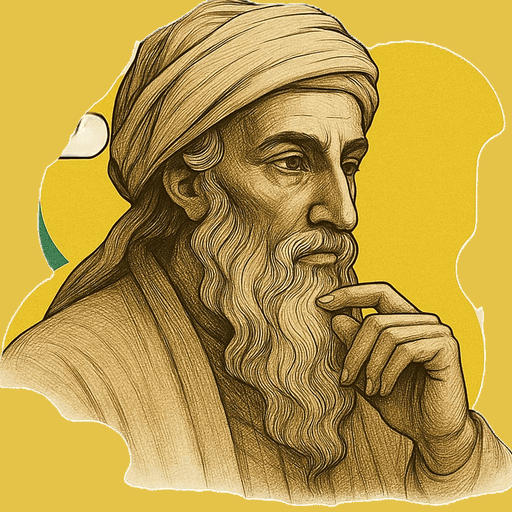
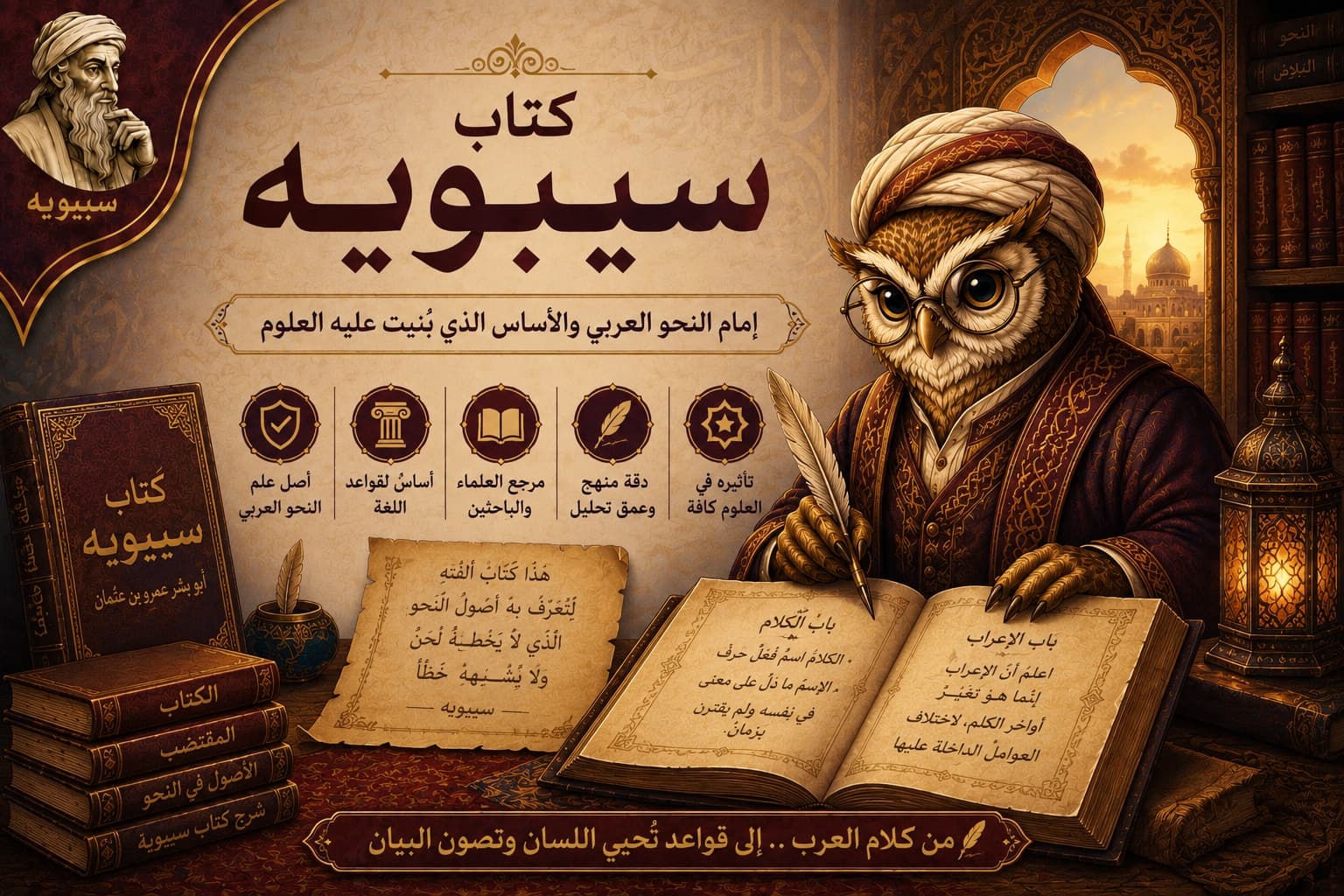
'Amr ibn 'Uthman ibn Qanbar, known as Sibawayh (c. 140–180 AH), a Persian by origin and a Basran by upbringing, was a student of al-Khalil ibn Ahmad. He died before 40, yet left behind Al-Kitab: the first complete work on Arabic grammar and arguably the greatest ever written.
Al-Jahiz said: "Nothing like it has ever been written in grammar." Sibawayh's book has no title beyond "Al-Kitab" ("The Book"), as if to say no other book comes close.
What's Inside
- 32 major chapters with thousands of sub-issues.
- Three sciences combined: syntax (nahw), morphology (sarf), and phonetics.
- 1,050 verses of poetry and 300 Qur'anic ayat cited as evidence.
Terms Sibawayh Coined (Still Used Today)
- Fi'l (verb), ism (noun), harf (particle).
- Maf'ul bihi (direct object), huruf al-jarr (prepositions).
- The four cases: raf' (nominative), nasb (accusative), jarr (genitive), jazm (jussive).
The Sibawayh Method
He doesn't just state rules; he asks why. Every rule is followed by a rational explanation. This dialogue-style approach is why Seebawayh's AI i'rab tool is named after him: it explains why every grammatical decision is made, not just what it is.
Read the full Arabic version: «كتاب سيبويه; إمام النحو»
Keywords: Sibawayh, Al-Kitab, Arabic grammar, nahw, classical Arabic linguistics, i'rab.